High-temperature tripping is a relatively common failure in screw air compressors, especially during hot summer conditions or in poorly ventilated environments.
When a compressor shuts down due to high temperature, it not only interrupts production but also increases maintenance costs and energy consumption. Understanding the root causes and applying the correct troubleshooting methods is essential for ensuring stable operation.
High-temperature tripping occurs when the compressor’s internal temperature exceeds the safety limit, triggering an automatic shutdown to protect the system.
This is a critical protection mechanism, but frequent tripping indicates underlying issues that must be resolved.
Low oil level or improper oil specifications reduce cooling and lubrication efficiency.
Insufficient cooling water flow
High cooling water temperature
Poor cooling performance leads to rapid heat accumulation.
Valve not energized
Coil damage
Diaphragm rupture or aging
These issues disrupt proper oil circulation.
If the compressor room temperature exceeds 45°C, overheating is likely.
Blocked oil cooler reduces heat exchange efficiency.
Cooling fan motor failure
Damaged fan blades
Blocked exhaust ducts
High exhaust backpressure
A malfunctioning valve prevents proper oil temperature regulation.
Restricted oil flow leads to insufficient cooling.
Incorrect readings may trigger false shutdowns.
Ensure oil level is above the minimum mark. Refill if necessary.
Check inlet water temperature
Verify temperature difference between inlet and outlet
If faulty, replace or clean it to restore proper operation.
Maintain room temperature below 45°C by enhancing ventilation or installing exhaust systems.
Replace damaged fan
Remove blockages in exhaust ducts
Reduce backpressure
Carbon buildup may cause valve sticking.
Clean the valve core using a carbon cleaner.
Ensure smooth oil flow for effective cooling.
Ensure accurate temperature monitoring.
Preventive measures include:
Regular maintenance
Using high-quality lubricating oil
Keeping cooling systems clean
Monitoring operating conditions
Ensuring proper ventilation
Preventive maintenance significantly reduces downtime and repair costs.
For long-term reliability and energy efficiency, upgrading to a two stage screw air compressor is highly recommended.
Lower operating temperature
Improved cooling efficiency
Reduced thermal stress
Energy savings of 15%–35%
Two-stage compressors are designed to operate at lower temperatures, making them ideal for high-demand industrial environments.
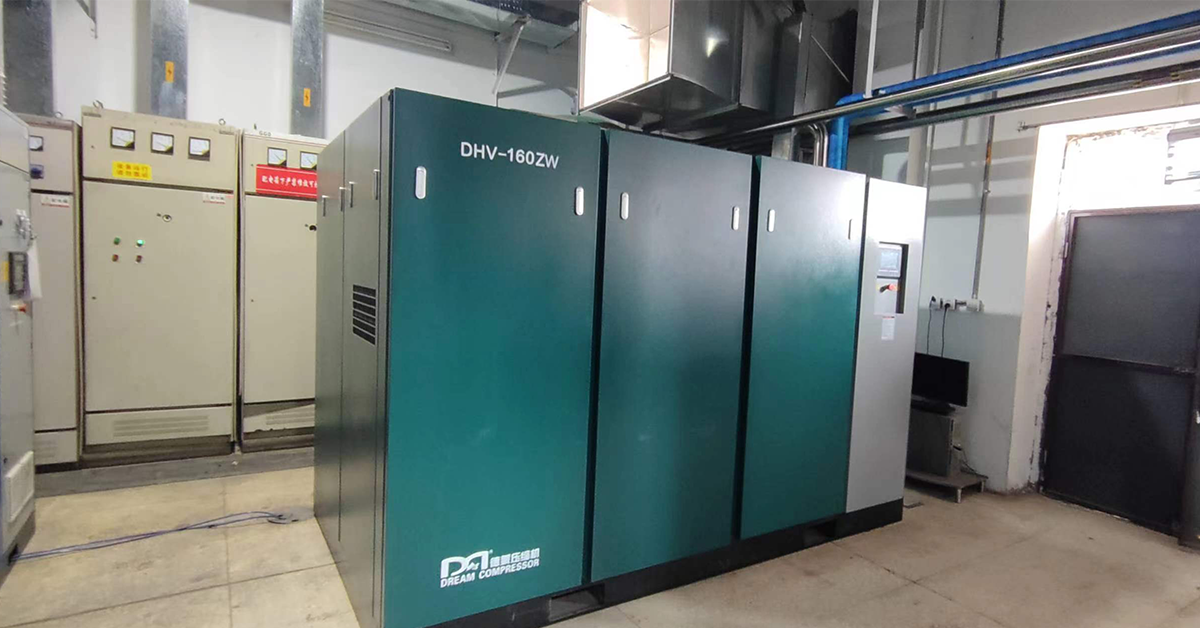
High-temperature tripping is a common but preventable issue in screw air compressors.
By identifying the root causes and applying effective solutions, operators can improve system reliability and reduce energy consumption.
Investing in advanced technologies like two stage screw air compressors can further enhance performance and prevent overheating problems.
Common causes include poor cooling, low oil levels, clogged filters, and high ambient temperature.
Typically between 75°C and 95°C.
Check oil, clean coolers, improve ventilation, and inspect cooling systems.
Yes, they operate at lower temperatures and improve energy efficiency.
Looking for reliable and energy-efficient air compressors?
WhatsApp: +86-136-7155-1445
Email: [email protected]