Compressed air is widely used in industrial and field operations where electricity is limited or unavailable. A diesel portable screw air compressor combines a diesel engine with a rotary screw air compressor to deliver reliable industrial compressed air for remote and mobile applications.
This guide explains how these systems work, how to select the right model, typical applications, and maintenance tips.
A diesel portable screw air compressor is a mobile compressed air system powered by a compressor diesel engine. Instead of relying on electricity, it uses diesel fuel to drive a rotary screw air end, delivering compressed air to pneumatic tools and industrial equipment.
These systems are often used as off-grid air compressors in construction, mining, and energy projects.
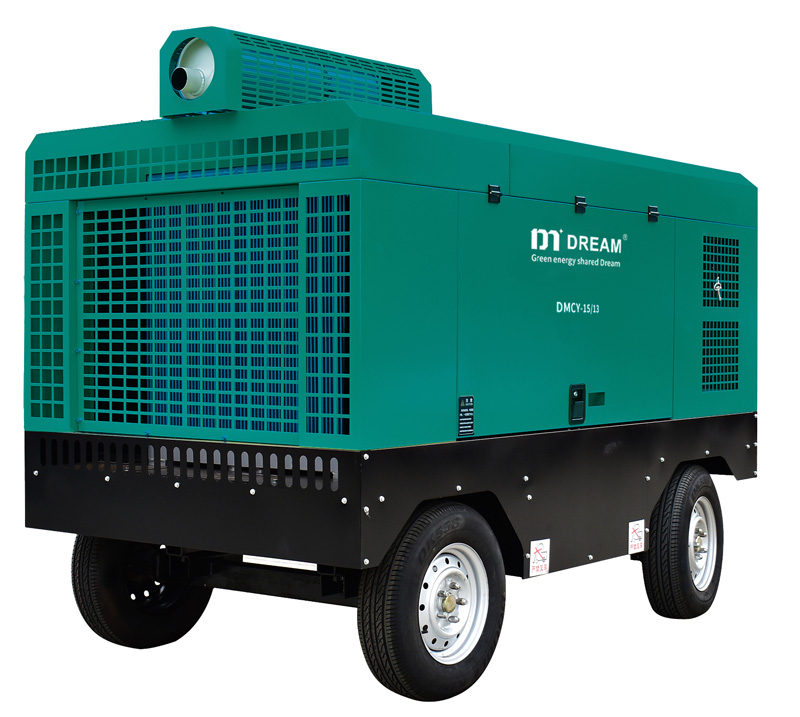
A rotary screw diesel air compressor operates through three main steps:
The diesel engine converts fuel into mechanical energy, providing high torque for continuous air compression.
The rotary screw air compressor draws in ambient air and compresses it using intermeshing rotors, producing stable and continuous airflow.
The compressed air passes through coolers and filters before being delivered as clean industrial compressed air for tools and equipment.
Portable compressors power pneumatic tools such as drills, jackhammers, and sandblasters on job sites.
Mining operations use diesel compressors for rock drilling, blasting support, and ventilation systems in remote areas.
Diesel air compressors support pipeline testing, valve control, and maintenance tasks in onshore and offshore facilities.
Portable compressors supply air for irrigation systems, grain handling, and equipment cleaning in rural regions.
In disaster zones without electricity, diesel compressors supply compressed air for rescue tools and temporary industrial setups.
Calculate required airflow (CFM or m³/min) and working pressure to ensure tools and systems operate efficiently.
High fuel efficiency reduces operating costs, especially for long-term field operations.
A high-quality rotary screw air end improves durability, reduces leakage, and enhances compression efficiency.
A portable air compressor should include towing frames, lifting rings, and compact enclosures for easy transport.
For dusty, high-temperature, or high-altitude environments, choose compressors with multi-stage filtration and oversized cooling systems.
Microcomputer controllers monitor pressure, temperature, and engine parameters, offering alarms and automatic shutdown protection.
Consider fuel consumption, maintenance intervals, spare parts availability, and resale value—not just the purchase price.
Cause: Weak battery, clogged fuel line, faulty starter
Solution: Check battery, clean fuel system, inspect starter motor
Cause: Air leakage, worn screw elements, blocked intake filter
Solution: Inspect hoses, air end, and filters
Cause: Blocked radiator, low coolant, fan malfunction
Solution: Clean radiator, refill coolant, check fan operation
Cause: Oil separator failure, worn seals, incorrect oil level
Solution: Replace separator, repair seals, adjust oil level
Cause: Loose mounts, bearing wear, rotor misalignment
Solution: Tighten mounts, replace bearings, align components
Diesel compressors use a diesel engine for power, while electric compressors rely on grid electricity. Diesel models are preferred for mobile and remote applications.
Yes. Rotary screw compressors are designed for continuous duty and provide stable airflow for industrial compressed air systems.
Modern engines adjust output based on demand, improving fuel efficiency compared to older mechanical systems.
Oil and filter changes are typically recommended every 250–500 operating hours, depending on working conditions.
Yes, but air density reduction may lower output. Selecting oversized engines and air ends helps maintain performance.
A diesel portable screw air compressor is a reliable solution for supplying compressed air in remote and mobile industrial environments. By understanding working principles, selecting proper specifications, and following maintenance best practices, users can improve system performance and reduce operating costs.
For construction, mining, oil and gas, and rural projects, a well-chosen off-grid air compressor ensures stable compressed air supply wherever electricity is unavailable.