If you manufacture, export, source, or research industrial equipment, knowing how “air compressor” is written in different languages helps with global SEO, product labeling, distributor communication, and local search visibility.
This guide lists the standard industry term for air compressor in 20 major languages, along with regional notes that matter for B2B marketing and international trade.
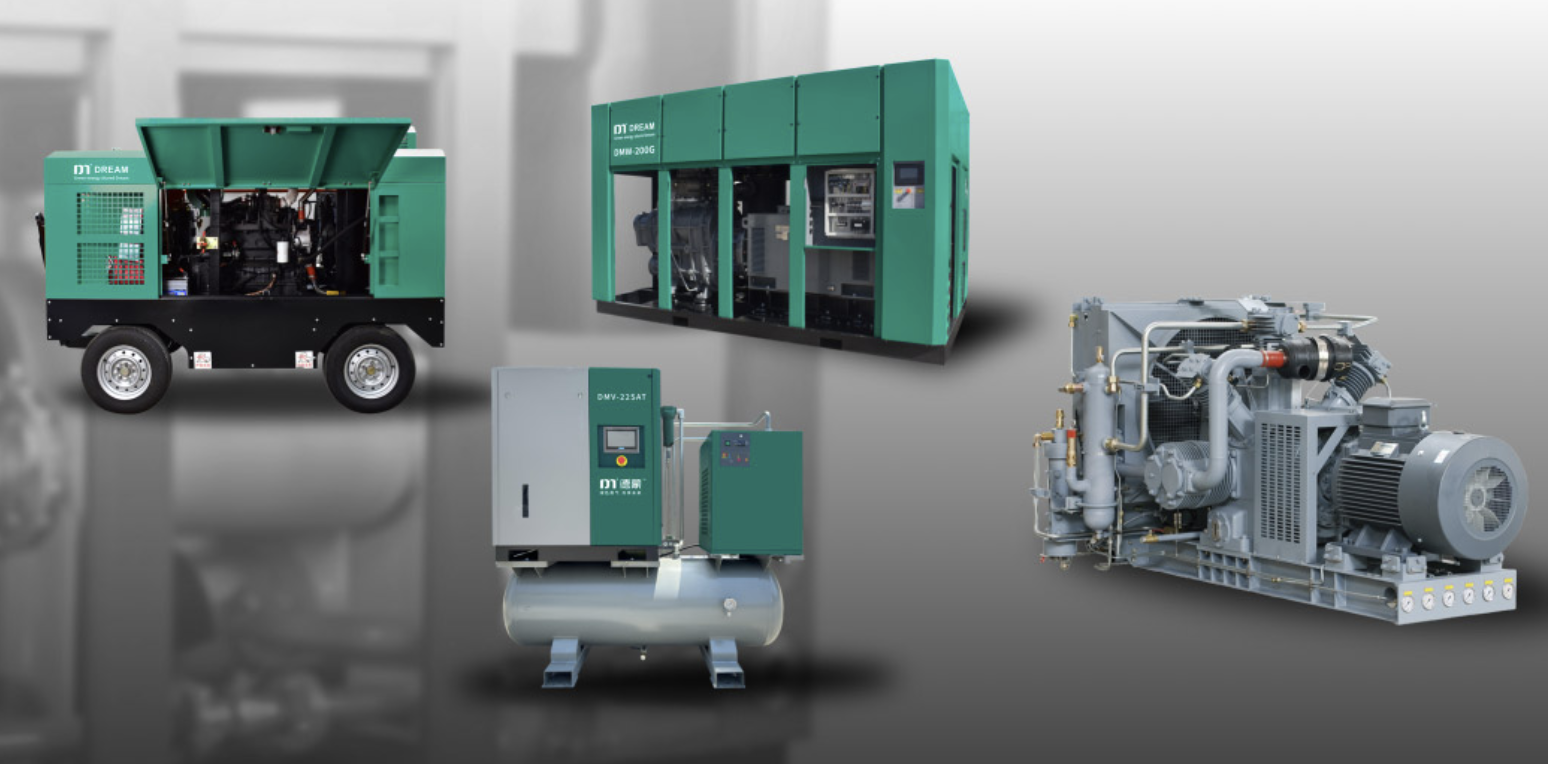
“Air Compressor” in 20 Different Languages:
In global manufacturing and B2B trade, buyers rarely search only in English. Local-language keywords influence:
For example, a buyer in Germany will typically search for Luftkompressor, not “Air Compressor.” A contractor in Vietnam will search for Máy nén khí. Matching local terminology improves organic visibility in each target country.
Below is a structured reference list for manufacturers, exporters, and SEO teams.
空气压缩机 (formal)
空压机 (commonly used short form)
Used across China and Singapore (Simplified or Traditional characters may vary).
Air Compressor
Standard global term used in North America, the UK, Australia, and international trade documentation.
Compresseur d’air
Used in France, Belgium, Switzerland, and many African markets.
Luftkompressor
Common in Germany, Austria, and Switzerland.
Compresor de aire
Used across Spain, Mexico, and most Latin American countries.
Compressor de ar
Brazil is the largest Portuguese-speaking industrial market.
ضاغط هواء
Used across Middle East and North Africa markets.
Воздушный компрессор
Used in Russia and parts of Eastern Europe and Central Asia.
एयर कंप्रेसर
Widely understood in India’s industrial sector.
エアコンプレッサー
Used in Japan’s manufacturing and automation industries.
공기 압축기
Standard term in South Korea.
Hava kompresörü
Used in Turkey’s growing machinery market.
Máy nén khí
Commonly searched term in Vietnam.
এয়ার কম্প্রেসর
Used in Bangladesh and parts of India.
Compressore d’aria
Used across Italy’s industrial regions.
Pemampat udara
Used in Malaysia and Brunei.
เครื่องอัดอากาศ
Used in Thailand’s construction and factory sectors.
Luchtcompressor
Used in the Netherlands and Belgium (Flemish region).
Kompresor udara
Used across Indonesia’s manufacturing and mining industries.
ایئر کمپریسر
Used in Pakistan’s industrial sector.
If you are building an international air compressor website, consider:
Instead of one English-only page, build:
This improves country-specific ranking.
Implement proper hreflang structure so Google serves the correct language version to users in each region.
For example:
Translate these variations for each target market.
Include local-language alt text:
English leads globally due to international trade, but Chinese, Spanish, and Hindi markets generate significant regional volume.
Yes. Buyers trust websites presented in their native language, especially for industrial equipment where technical accuracy matters.
Not always. Some markets prefer shortened forms (for example, 空压机 in Chinese). Understanding local search habits improves visibility.
Southeast Asia, South Asia, and parts of the Middle East are expanding manufacturing capacity, increasing demand for industrial air compressors.
Knowing how to say “Air Compressor” in different languages supports:
Whether you produce screw air compressors, oil-free compressors, or heavy-duty industrial systems, language localization helps connect with buyers in each region.
If you plan to expand into new markets, start by speaking the customer’s language — both literally and digitally.