The textile industry depends on stable compressed air systems to keep production running at high speed and consistent quality. From spinning and weaving to dyeing and packaging, a properly designed air supply supports automation, reduces waste, and helps control energy costs.
This guide explains how an air compressor for textile plants is used, what type of system works best, and how manufacturers can reduce energy cost over the long term while maintaining high quality air standards.
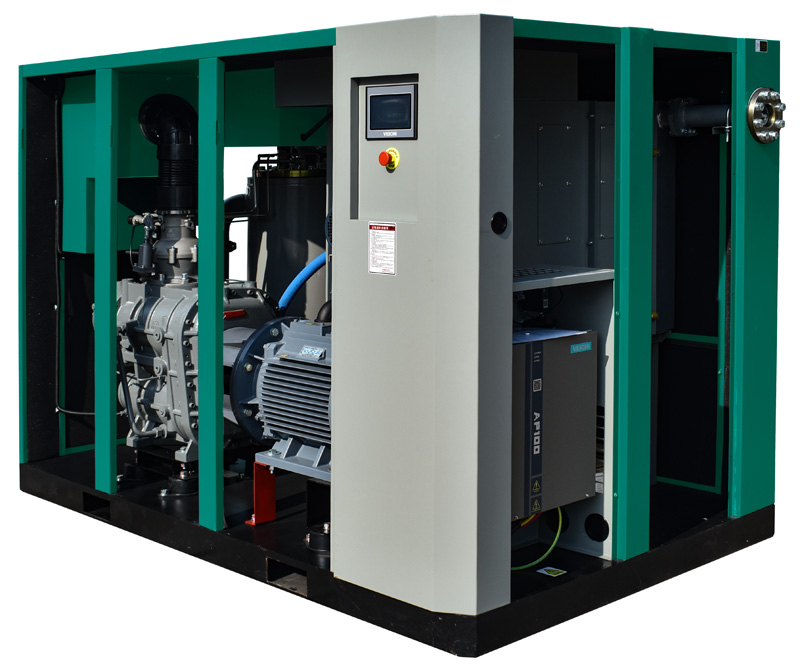
In modern textile manufacturing, compressed air is used to:
Unlike mechanical drive systems, compressed air allows flexible layout design and safer operation in dusty environments. For large facilities handling high volumes, a centralized compressed air system ensures stable pressure and flow across departments.
During spinning, compressed air:
Some high-capacity mills rely on centrifugal compressors to meet high volumes of air demand during continuous yarn processing.
Air jet looms use bursts of high-pressure air to insert weft yarn through the warp shed. This process allows:
These machines require stable pressure and clean dry air. Moisture or oil contamination can affect yarn quality and cause downtime.
In dye houses, air quality becomes especially important. Oil particles in the air can stain fabric or interfere with chemical reactions.
For this reason, many mills install:
Oil free air ensures product integrity during sensitive finishing operations.
Compressed air is used for:
Reliable air supply keeps final-stage operations smooth and efficient.
Textile environments generate dust and humidity. If compressed air contains oil or moisture, it can cause:
Using oil free air combined with efficient air dryers ensures clean dry air throughout the system.
For applications with strict purity requirements, ISO Class 0 oil free compressors are often selected.
Energy represents a large portion of textile manufacturing expenses. Modern energy efficient systems help reduce energy costs through:
Upgrading to high efficiency rotary screw air compressors can significantly lower energy costs over time.
Textile factories often operate 24/7. Equipment must handle continuous operation and high volumes without pressure fluctuation.
Options include:
Both designs offer reliable performance in long term continuous production.
High quality air ensures:
For export-oriented textile industry manufacturers, air purity directly affects product reputation.
Best for:
Advantages:
Best for:
Advantages:
Best for:
Advantages:
When selecting an air compressor for textile use, evaluate:
Air jet looms typically require 6–8 bar. Spinning may require higher pressure depending on system design.
Calculate total CFM demand across departments, including peak usage.
Determine whether oil free air is required.
Look for systems with:
Include:
Proper system design affects reduced energy cost more than compressor type alone.
A well-managed compressed air system can reduce energy cost by 20–30% in many textile production facilities.
Most factories use rotary screw air compressors for continuous operation. Large plants may use centrifugal compressors, while dyeing sections often prefer oil free compressors to ensure oil free air.
Moisture and oil contamination can damage fabric quality and interfere with dyeing. Clean dry air prevents defects and reduces maintenance problems.
They are recommended for dyeing and finishing processes where fabric contact with air occurs. For general machinery, oil-injected systems may be used with proper filtration.
By upgrading to energy efficient compressors, maintaining air dryers, fixing leaks, and optimizing system pressure, manufacturers can achieve long term energy savings.
Centrifugal compressors are often chosen for high volumes and centralized systems, especially in integrated textile manufacturing facilities.
Compressed air systems are a foundational part of modern textile manufacturing. From air jet looms to dyeing operations, stable air supply supports productivity and consistent product quality.
Selecting the right air compressor for textile use—whether oil free compressors, rotary screw air compressors, or centrifugal compressors—requires careful evaluation of pressure, flow, and energy costs.
With proper system design, high efficiency equipment, and clean dry air management, textile manufacturers can achieve reduced energy cost, improved reliability, and sustainable long term performance.